
Transgenic mice, genetically modified to carry foreign DNA, have become indispensable in biomedical research, offering insights into human diseases and potential treatments. Their genetic similarity to humans, short lifespans, and ease of care make them ideal subjects for studying complex conditions such as Alzheimer's disease.
Understanding Transgenic Mice
Transgenic mice are created by introducing foreign DNA into their genomes, resulting in the expression of new genes or the suppression of existing ones. This genetic manipulation allows researchers to observe the effects of specific genes on development, physiology, and disease progression. The National Center for Biotechnology Information notes that transgenic mice are instrumental in determining DNA sequences that regulate gene expression in specific tissues or during particular developmental stages.
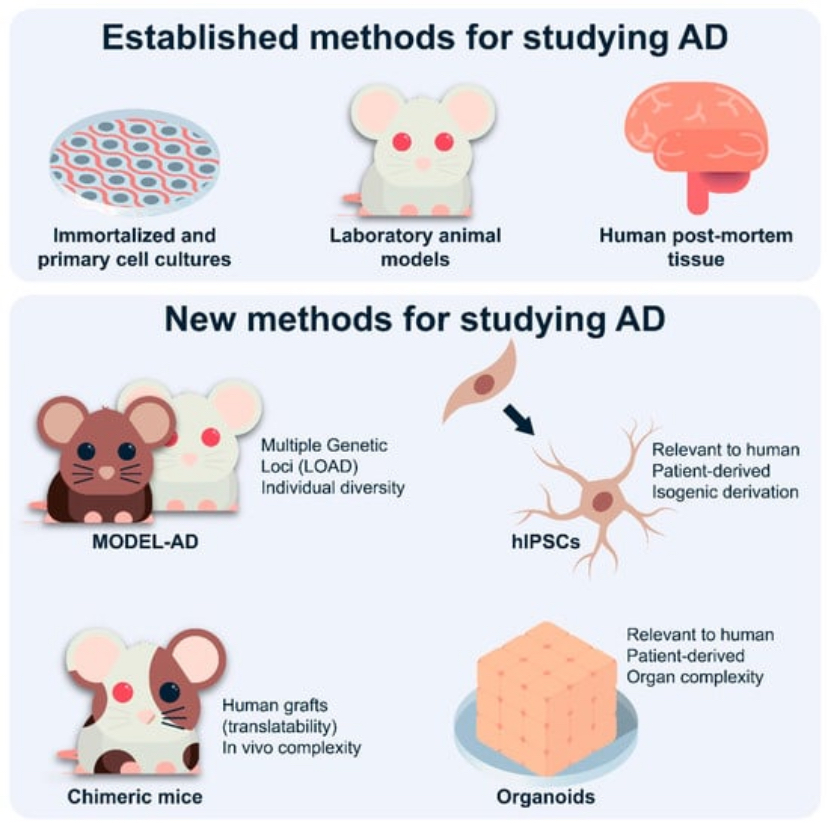
The Role of Transgenic Mice in Alzheimer's Research
Alzheimer's disease is a progressive neurodegenerative disorder characterized by memory loss, cognitive decline, and behavioral changes. The exact cause remains unclear, but it's associated with the accumulation of amyloid-beta plaques and tau tangles in the brain. Transgenic mice have been pivotal in modeling these pathological features, enabling the study of disease mechanisms and the testing of therapeutic interventions.
UGA's Pioneering Research with Transgenic Mice
The University of Georgia (UGA) has been at the forefront of utilizing transgenic mice to advance Alzheimer's research. In 2011, UGA researchers developed the world's first transgenic mouse model to study Hirano bodies—tiny structures found in the nerve cells of individuals with Alzheimer's disease. Prior to this study, the role of Hirano bodies in Alzheimer's was unclear; scientists were uncertain whether these structures contributed to the disease or appeared as a consequence of it. UGA's research revealed that Hirano bodies might have a protective role in the progression of neurodegenerative diseases like Alzheimer's. This discovery opened new avenues for understanding the disease and developing potential treatments.
Advantages of Using Transgenic Mice in Research
The use of transgenic mice offers several advantages in biomedical research:
- Genetic Similarity: Mice share approximately 95% of their genes with humans, making them suitable models for studying human diseases.
- Controlled Environment: Researchers can control environmental variables, ensuring that observed effects result from genetic modifications.
- Reproducibility: The ability to replicate studies with genetically identical mice enhances the reliability of research findings.
Ethical Considerations
While transgenic mice have significantly advanced scientific understanding, their use raises ethical considerations. Critics argue that differences between mice and humans can lead to unreliable results and express concerns about animal welfare. It's essential for researchers to adhere to ethical guidelines, ensuring humane treatment and justifying the necessity of animal models in their studies.
Public Perception and Misunderstandings
Public understanding of scientific research involving transgenic mice can sometimes be clouded by misinformation. For instance, during a speech, President Donald Trump claimed that the United States had spent "$8 million in making mice transgender." This statement led to confusion and controversy. In reality, the funding was allocated to research aimed at improving gender-affirming care by studying hormones and their effects on mice. Such misunderstandings highlight the importance of clear communication between scientists and the public to ensure accurate dissemination of research purposes and outcomes.

Future Directions
The continued development of transgenic mouse models holds promise for unraveling the complexities of Alzheimer's disease and other neurodegenerative disorders. By manipulating specific genes, researchers can explore the underlying mechanisms of these diseases and identify potential therapeutic targets. Collaborations between institutions, like UGA's pioneering efforts, will be crucial in advancing our understanding and developing effective treatments.
Conclusion
Transgenic mice have revolutionized biomedical research, providing invaluable insights into the genetic and molecular underpinnings of diseases like Alzheimer's. UGA's innovative use of these models underscores their potential in uncovering disease mechanisms and informing therapeutic strategies. As research progresses, it's imperative to balance scientific advancement with ethical considerations, ensuring that the use of animal models continues to contribute positively to human health.


No comments:
Post a Comment